
Dangerous Mushroom Look-Alikes: Photo Comparison Gallery
By Palina Balcevič, MSc in Biological Sciences
Why mushroom look-alikes are dangerous
There are over 140,000 species of fungi described worldwide, and some estimates suggest there may be over 3 million. Of the described species, about 14,000 produce what we call "mushrooms"—macroscopic fruiting bodies.
Given such staggering diversity, it's not surprising that many species, even though they are not close relatives, have a similar appearance. Distinguishing them can be challenging even for professionals.
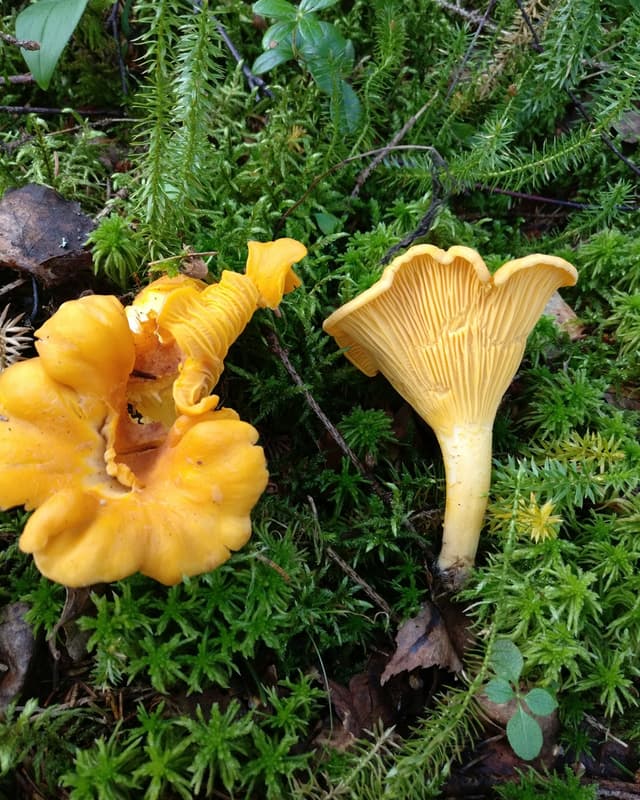
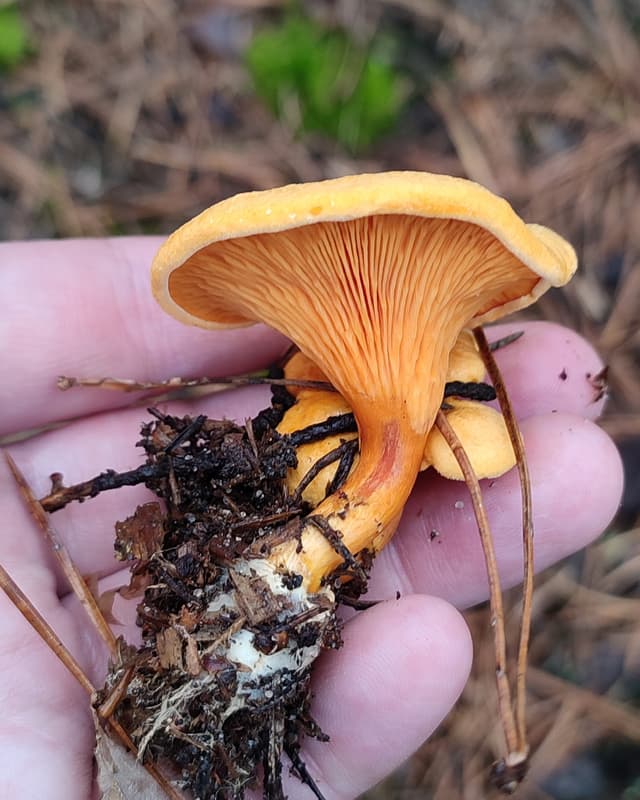
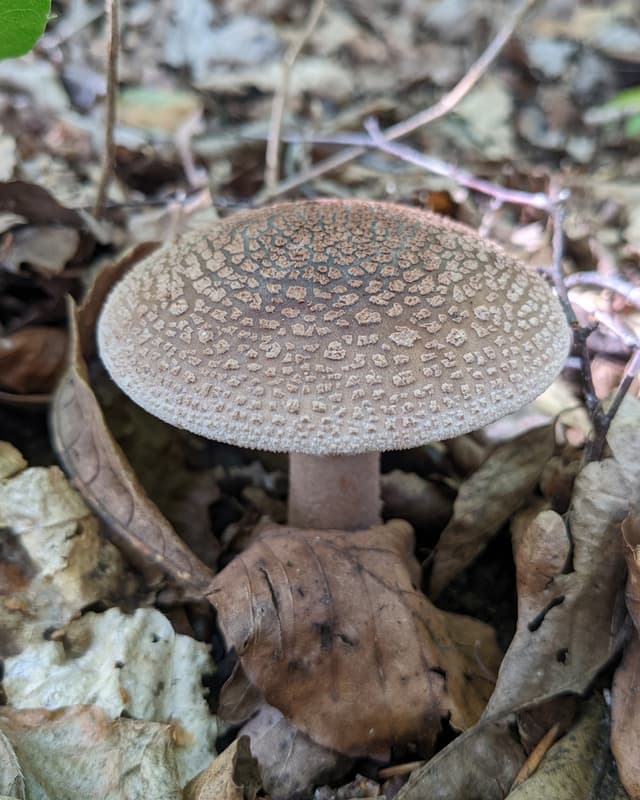
The greatest danger comes from poisonous look-alikes of edible species. This visual gallery places seven commonly confused pairs side by side, showing why photos alone are not enough for identification.
One warning before you compare them: this gallery illustrates similarity; it is not an identification tool or an invitation to forage. Never eat a wild mushroom based on a photograph, this article, or an identification app alone. Have the specimen confirmed by a qualified local expert, and if an unidentified mushroom may have been eaten, contact a poison center immediately rather than waiting for symptoms (NSW Health).
Field mushroom and death cap
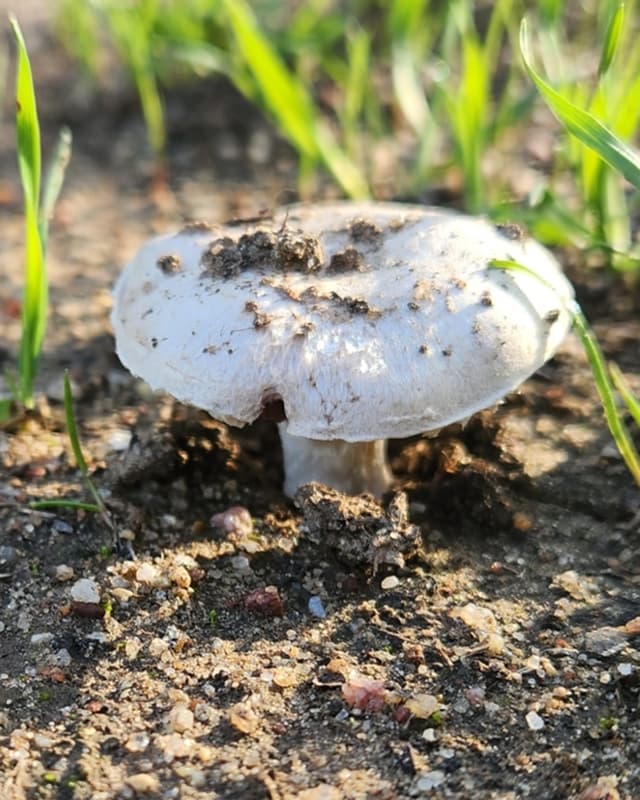
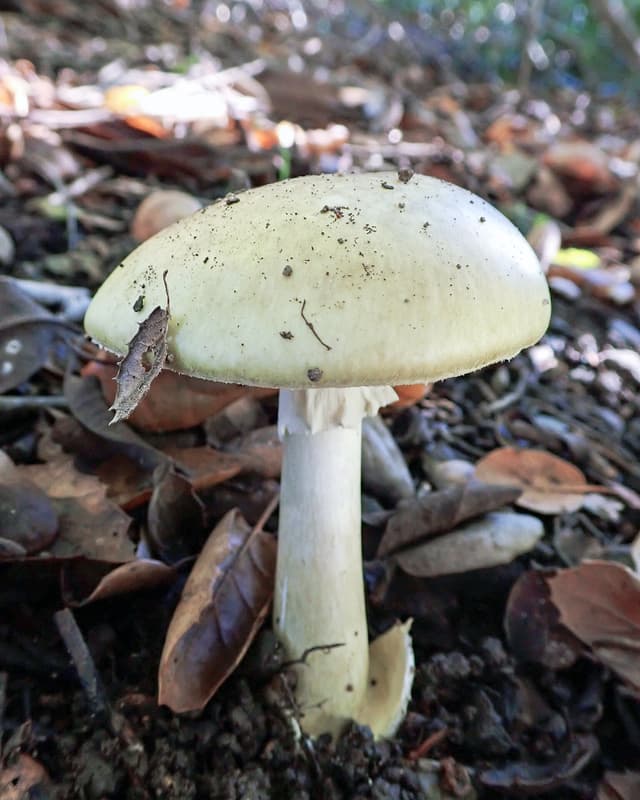
Parasol mushroom and false death cap
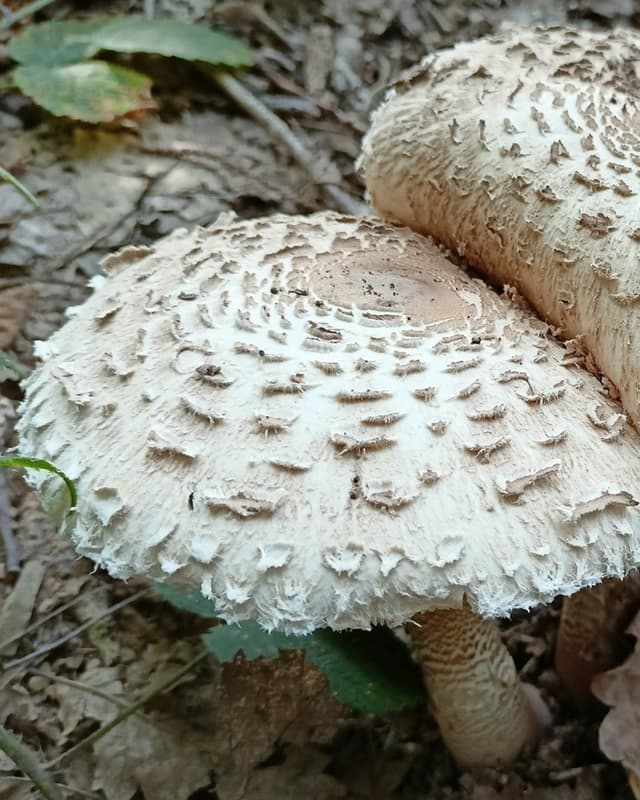
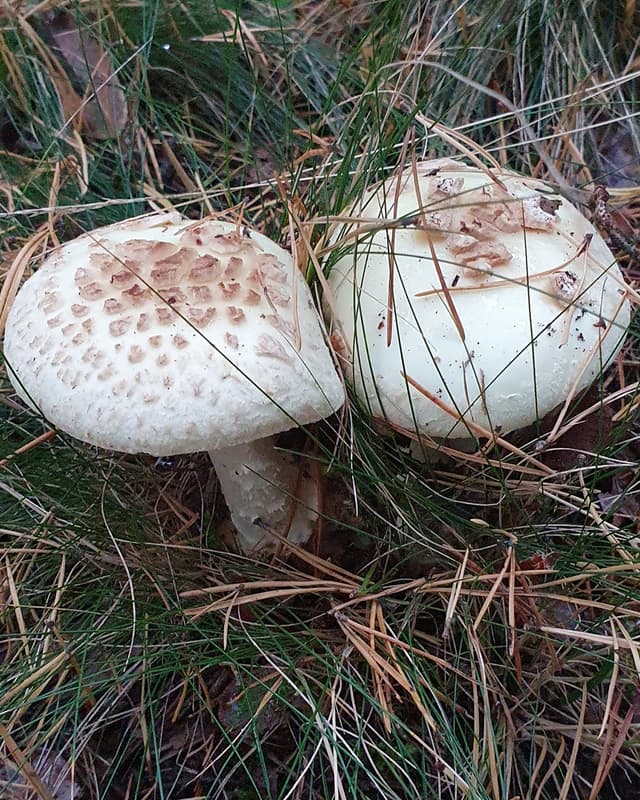
The miller and frosty funnel
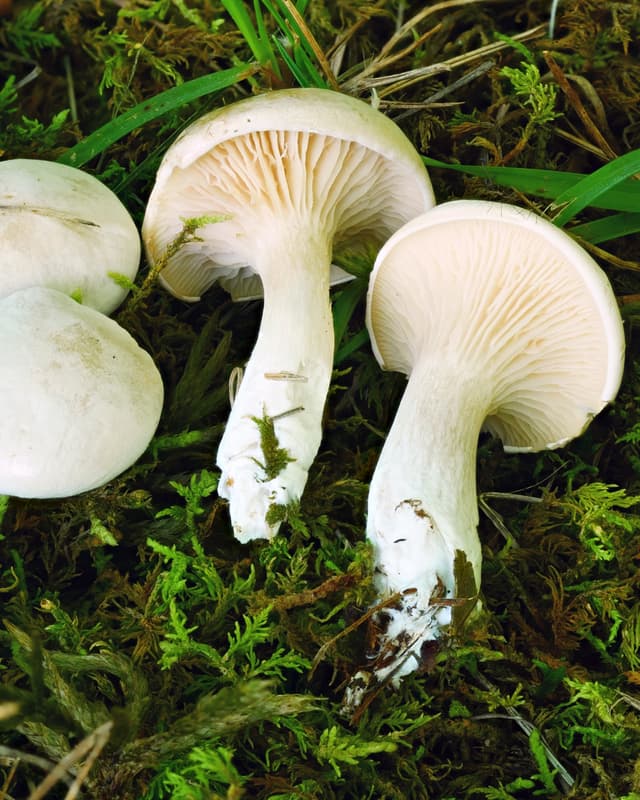

Golden chanterelle and false chanterelle
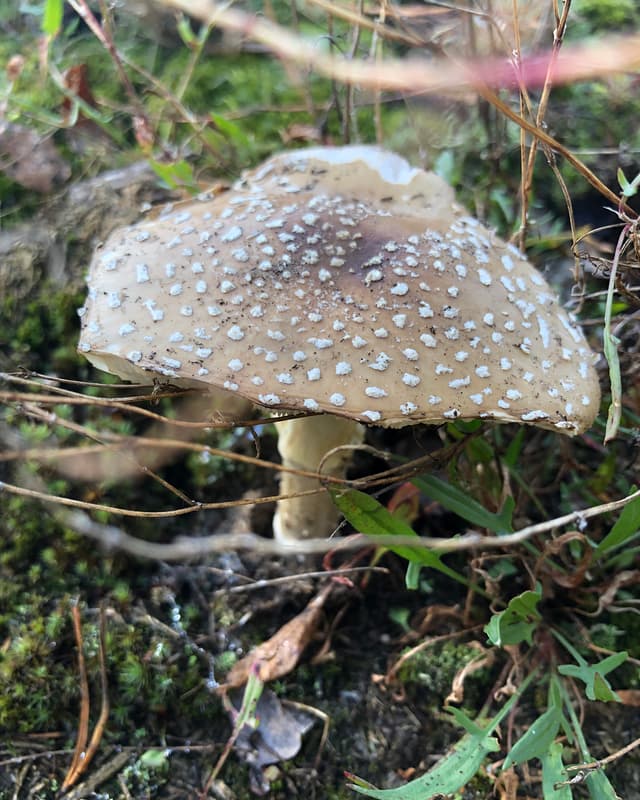
Blusher and panthercap
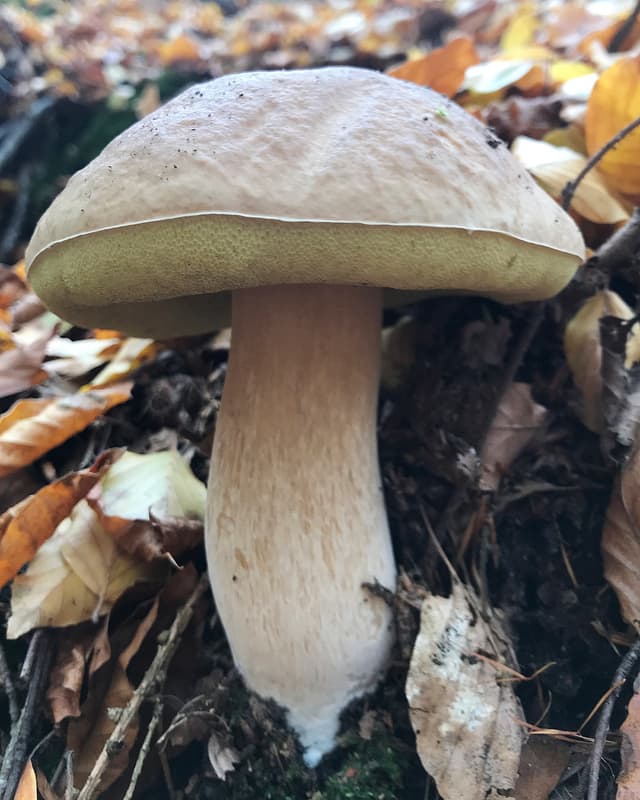
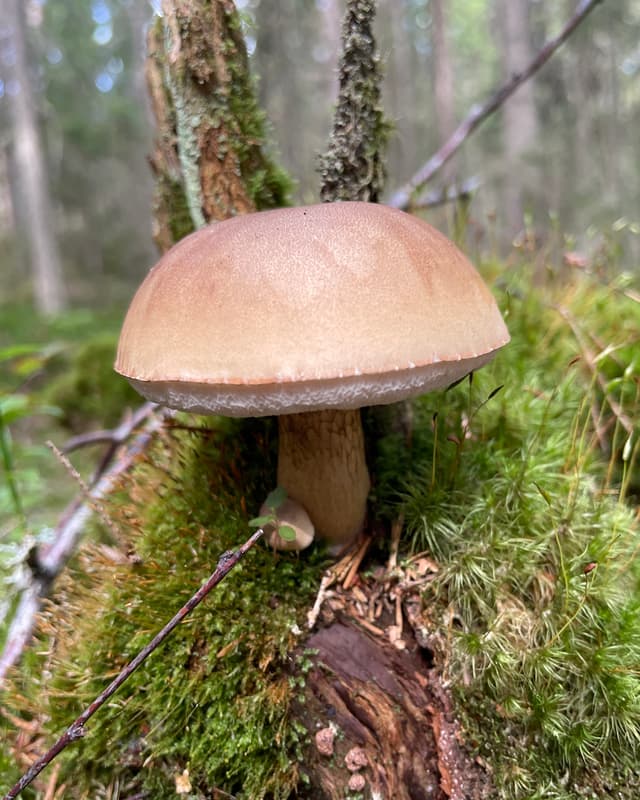
Porcini and bitter bolete
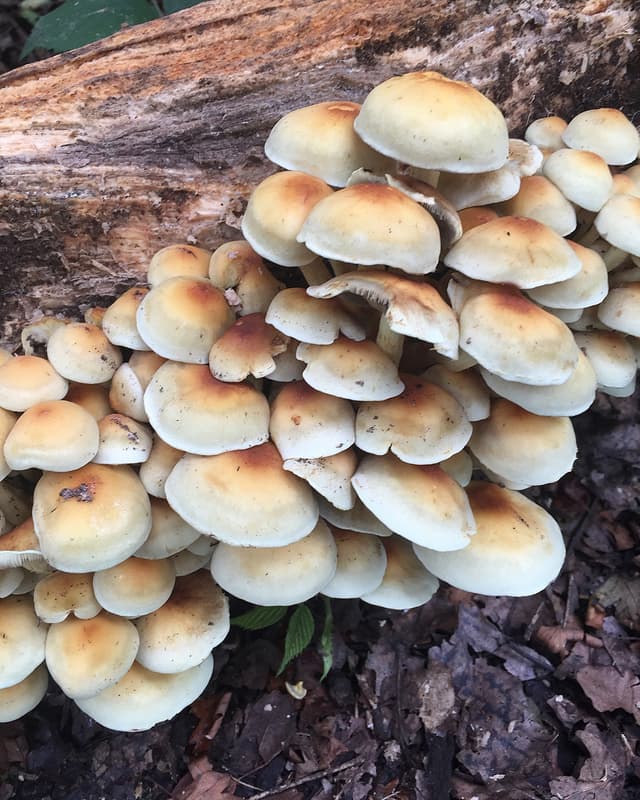
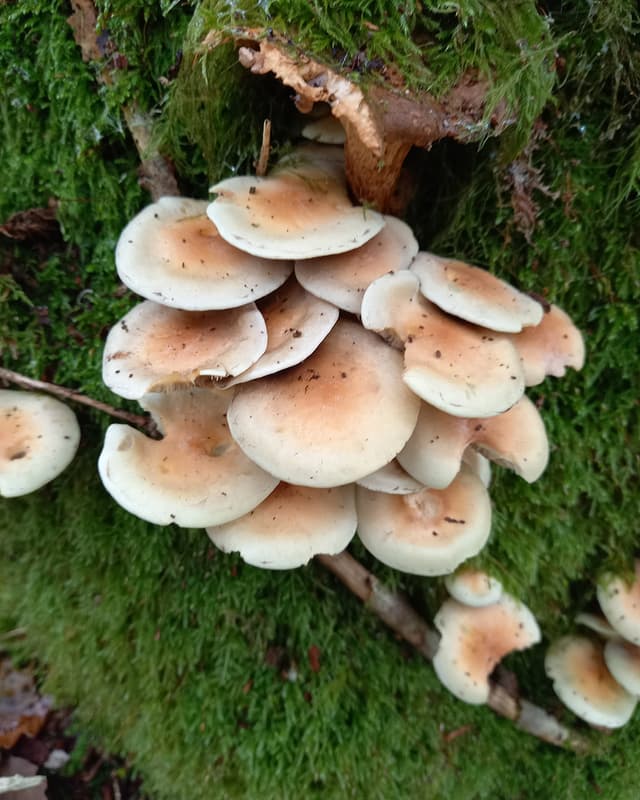
Conifer tuft and sulphur tuft
Be careful, and remember that confidence is not the same as identification: a photograph or an app cannot establish that a wild mushroom is safe to eat. When edibility is the question, confirmation by a qualified local expert is essential.